Home/Blog/Articles/Soil Salinity and Plant Osmotic Pressure

Soil Salinity and Plant Osmotic Pressure

admin
Articles
5
No comments

Table of contents

Latest Posts

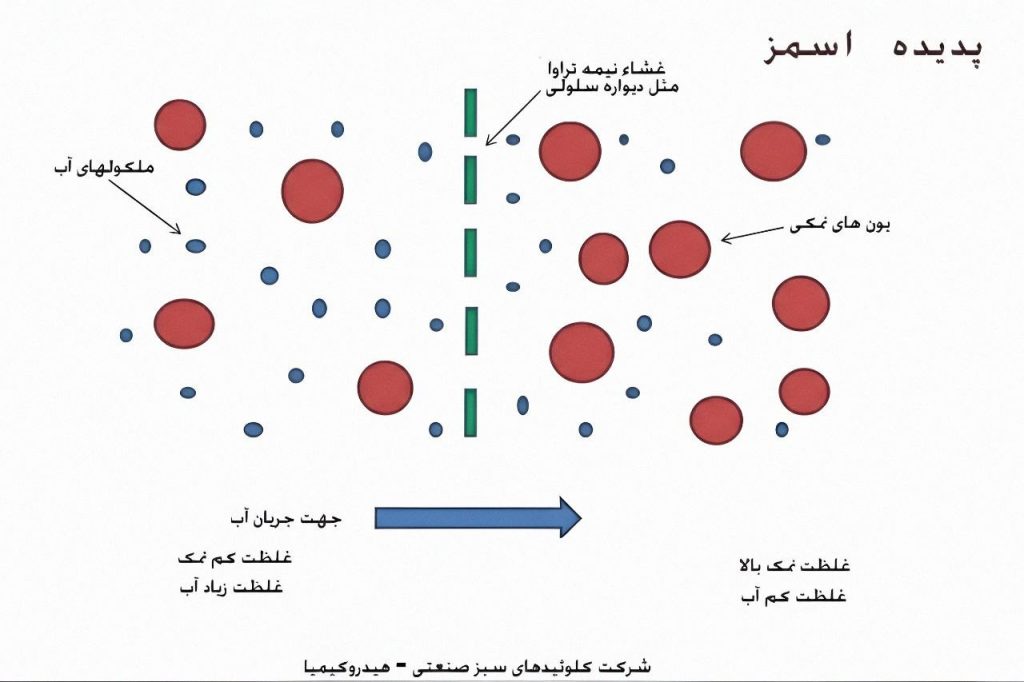
The Phenomenon of Osmotic Pressure

In the soil, water moves from areas with lower salt concentration to areas with higher salt concentration. This phenomenon is known as osmosis (or osmotic pressure).

As salt accumulates in the soil, the movement of water is hindered; consequently, the plant must expend more energy to draw water toward its roots—meaning a portion of the plant’s energy is consumed in the process. In extreme cases, water is actually drawn out of the roots and into the soil—a manifestation of the same osmotic process.
If salt levels exceed the plant’s tolerance threshold, it disrupts growth and, in severe cases, leads to the death of the plant.

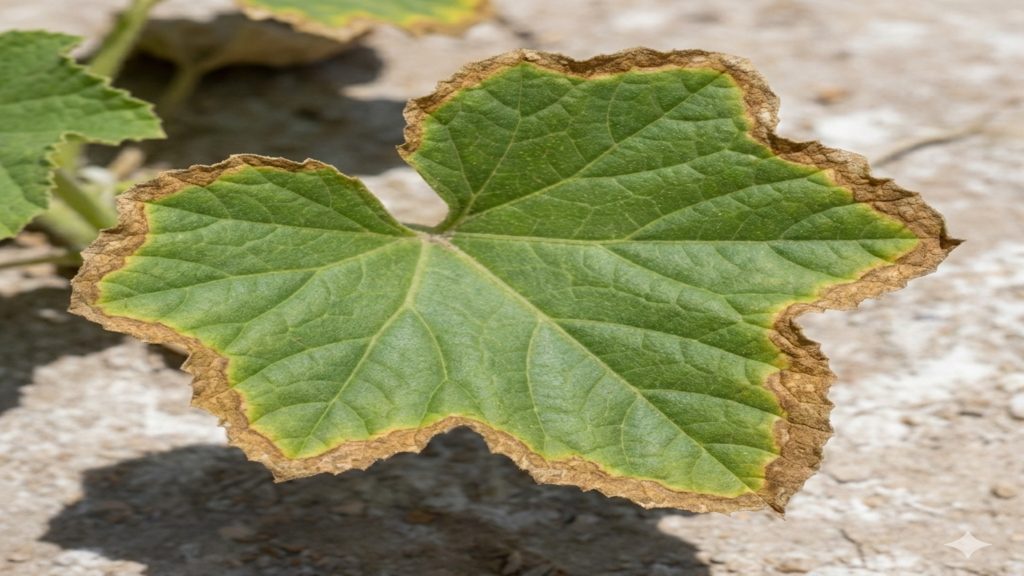
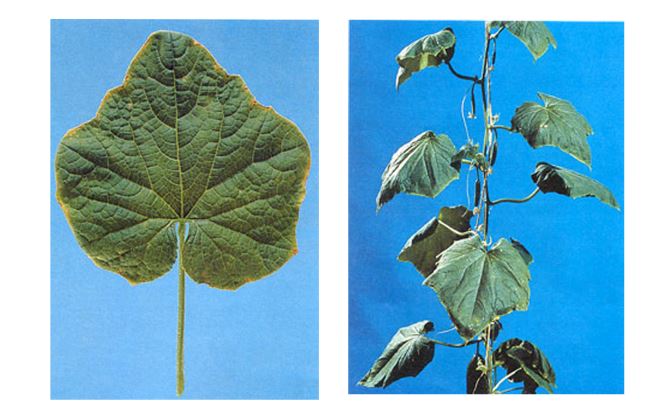
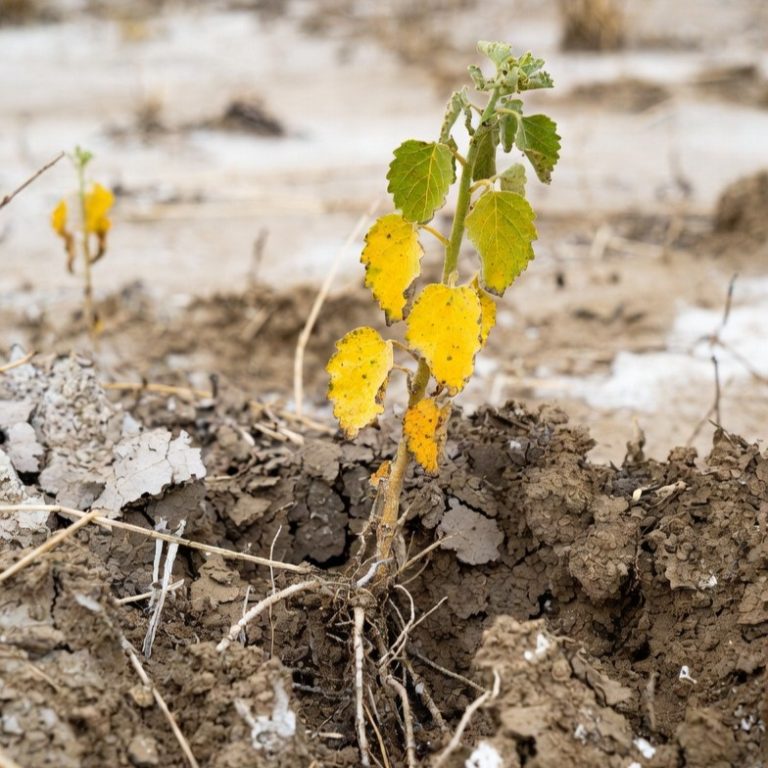
Signs of salinity stress in plants do not appear immediately; rather, they manifest in stages. Initial symptoms include stunted growth and the yellowing of leaves. In the second stage, broad-leaved plants experience leaf necrosis (death) and shedding, while in needle-leaved plants, the needles first turn brown before falling off. Typically, the margins and tips of older leaves are more severely affected by salinity than those of younger leaves.

Signs of scorching on the margins of cucumber leaves

Yellowing of cantaloupe leaf margins due to salt toxicity

Cart
Your cart is empty!

Your cart is empty!