


The Mechanism of Soil Salinization
How does soil salinization occur? How do the physicochemical properties of soil change once it becomes saline? How can anti-salinity fertilizers mitigate the effects of salinity?
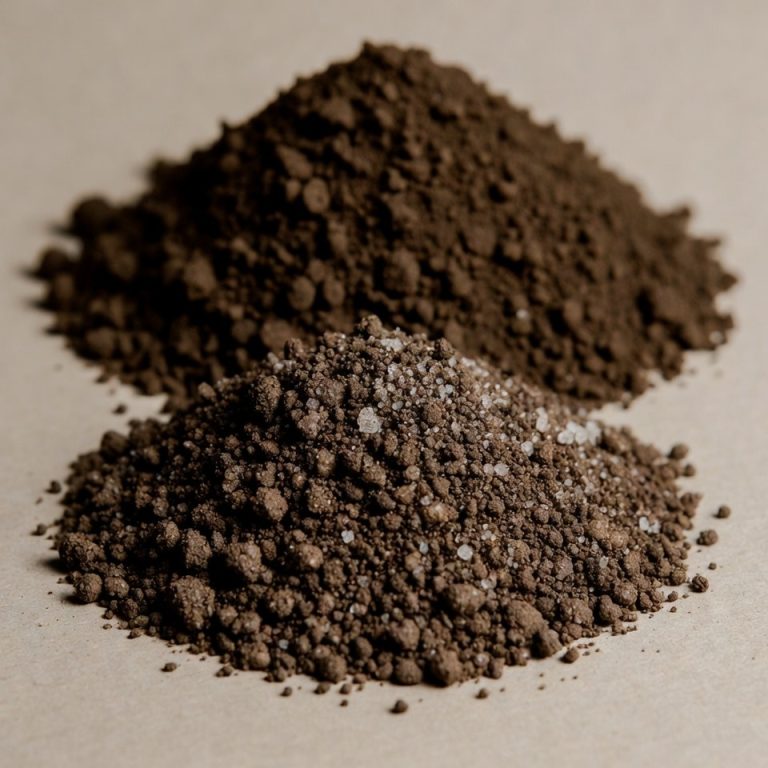
Mineral particles and organic matter in the soil combine to form clusters known as aggregates. Air and water can occupy the spaces between these aggregates. The shape, size, and composition of these aggregates directly influence soil structure, which in turn affects the movement of water and chemicals, as well as soil aeration. In regions where saline water or water with a high mineral content is used, salts gradually accumulate in the soil. Beyond irrigation, the soil itself, the growing medium, or even the excessive application of fertilizers can lead to an increase in salt concentration. This accumulation triggers a phenomenon known as soil dispersion.
Essentially, ions with high hydration energy—such as sodium and magnesium—adhere to the surfaces of clay particles, causing dispersion. This process leads to soil hardening and the elimination of pore spaces, which subsequently reduces the soil’s permeability to water.
Effects and Signs of Salinity in Plants
The accumulation of salt around the roots increases the osmotic pressure of the soil. Consequently, water moves from the more dilute environment inside the cells to the outside (a process akin to reverse osmosis), resulting in “physiological drought.” This is why the symptoms of water stress (drought) and salinity stress are often similar.
Soil salinity stunts plant growth, causing leaves to appear semi-wilted with a leathery texture. Additionally, a thin band of dead tissue often develops along the margins or tips of the leaves. Additionally, leaf growth may be stunted, and leaves may appear cup-shaped or curled. An increase in EC (electrical conductivity) from 2,000 to 4,000 microsiemens can lead to a yield reduction of up to 50%.
Long-term prevention of soil salinization:
Flushing the soil or growing medium with an abundant supply of fresh water to leach out excess salts.
Adjusting the fertilization program to avoid the over-application of fertilizers.
Utilizing plant species that are tolerant to salinity.
Using potassium-based fertilizers (other than potassium chloride), as potassium itself helps plants overcome salinity stress.
Addressing soil salinity in the short term:
The use of soil amendments containing significant amounts of calcium or organic matter is recommended. “Hydro-Gyp”—an anti-salinity agent and soil conditioner—is a dual-purpose product containing high-quality mineral and organic components. Upon application, the calcium in Hydro-Gyp replaces the sodium in the soil within a few days; the displaced sodium is then leached out during the next irrigation. The fulvic acid present in the product promotes root growth, which enhances the plant’s uptake of essential nutrients. Consequently, this product facilitates both the chemical and physical amendment of the soil.
Reference:
http://vro.agriculture.vic.gov.au/dpi/vro/vrosite.nsf/pages/soilhealth_soil_structure_dispersion
