The Importance of Sunlight
Sunlight is a vital element required for the survival of plants. Plants absorb sunlight and convert it into energy through photosynthesis. Photosynthesis is a crucial process that not only provides energy to plants but is also essential for the entire ecosystem.
This process takes place within specialized structures called chloroplasts. Not all plants possess the same amount of chloroplasts; for instance, species capable of tolerating higher light levels contain a greater number of chloroplasts.
Types of Fruits and Plants and Their Light Requirements
Plants have varying light requirements depending on their type and species. Understanding these needs helps farmers and gardeners create optimal conditions for growth and crop production. Below is a classification of plants based on their light requirements:
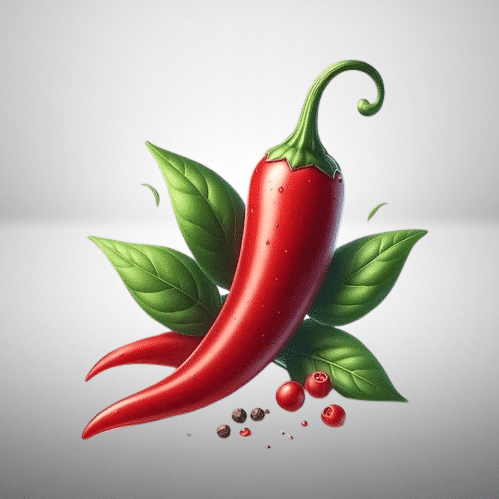
Pepper
Light requirement: High
Duration of light exposure: 8–12 hours per day
Light intensity: 2,000–3,000 foot-candles
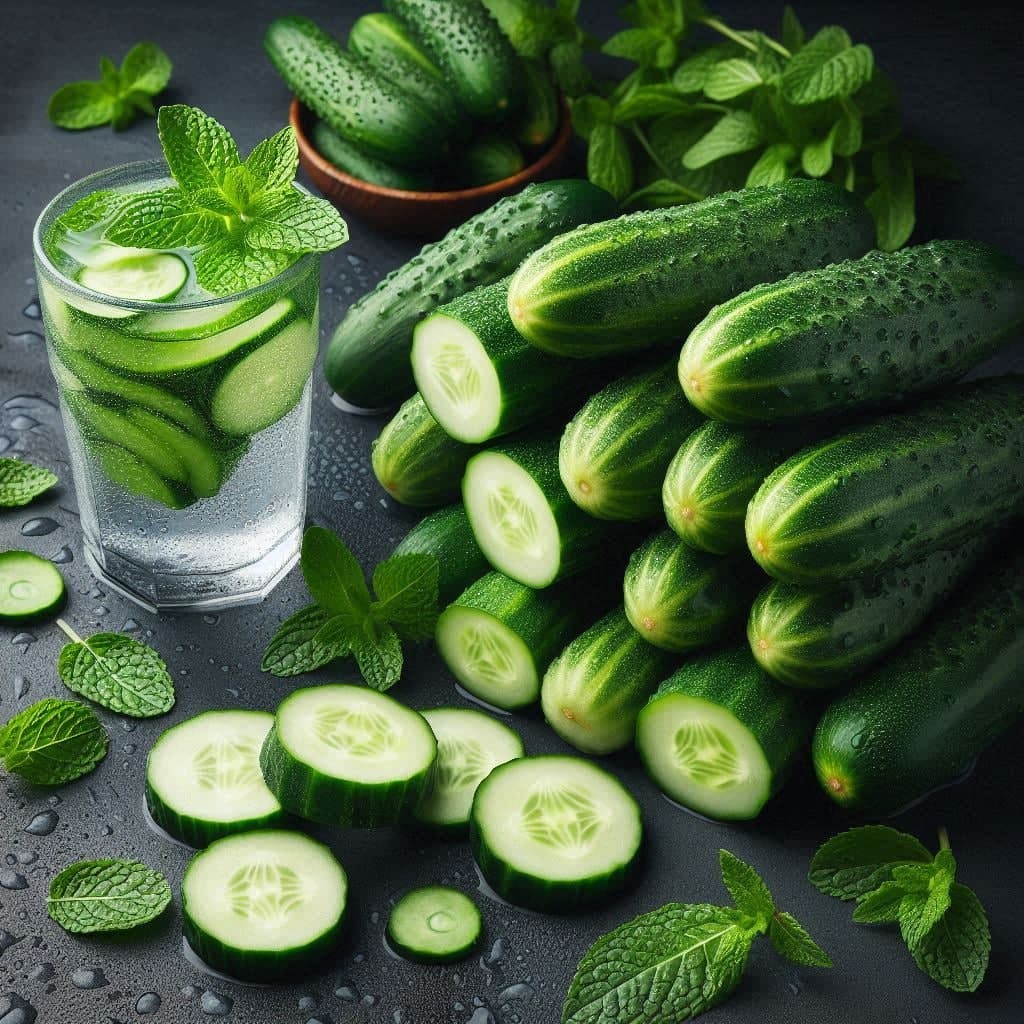
Cucumber
Light requirement: High
Duration of light exposure: 8–12 hours per day
Light intensity: 2,000–3,000 foot-candles
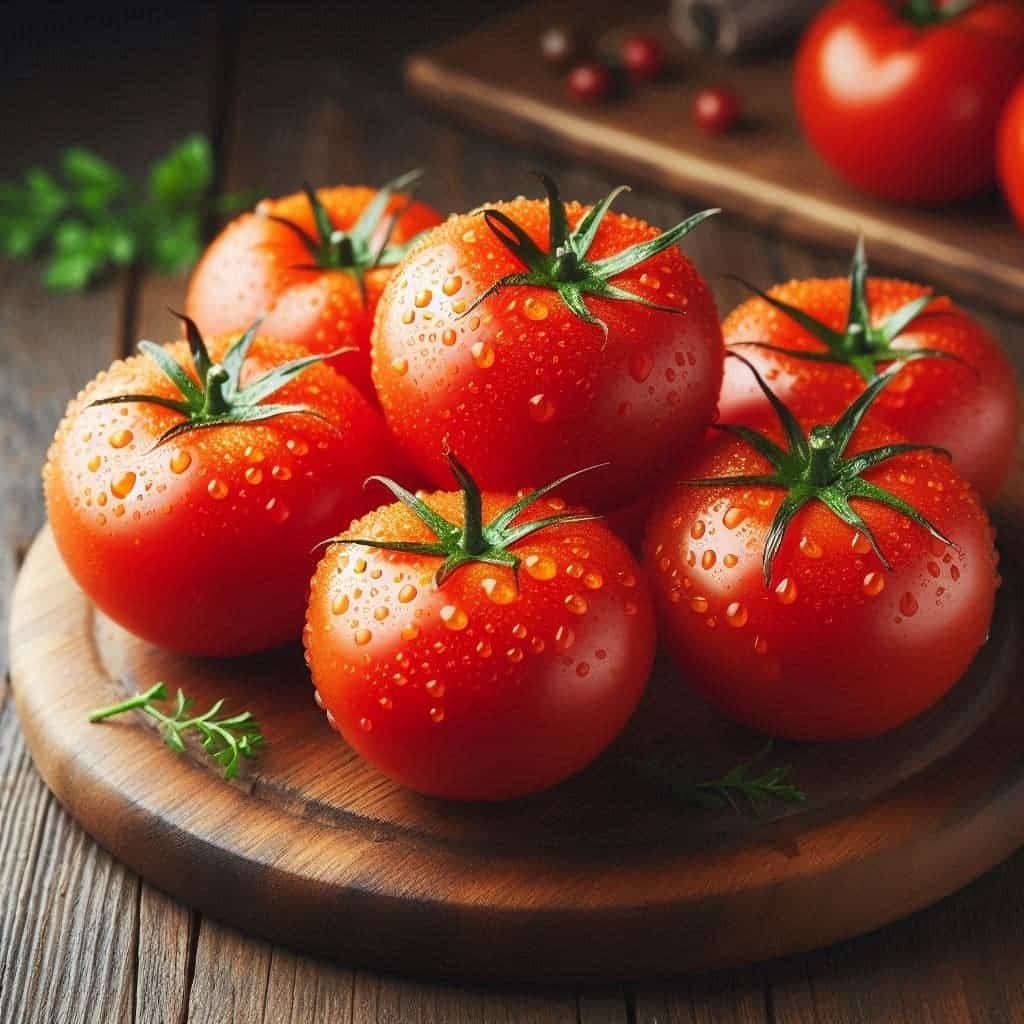
Tomato
Light requirement: High
Duration of light exposure: 8–12 hours per day
Light intensity: 2000–3000 foot-candles
Partial-shade plants
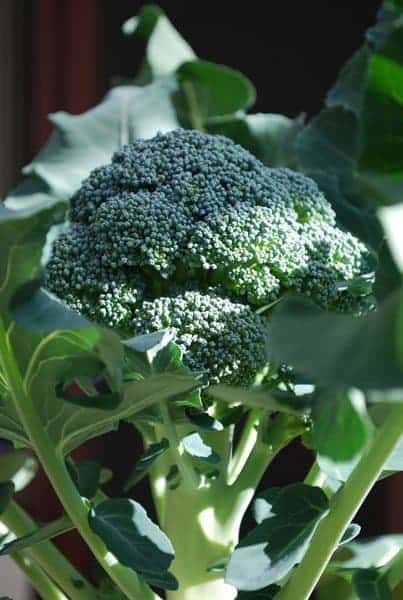
Broccoli
Light requirement: Moderate
Duration of light exposure: 6–8 hours per day
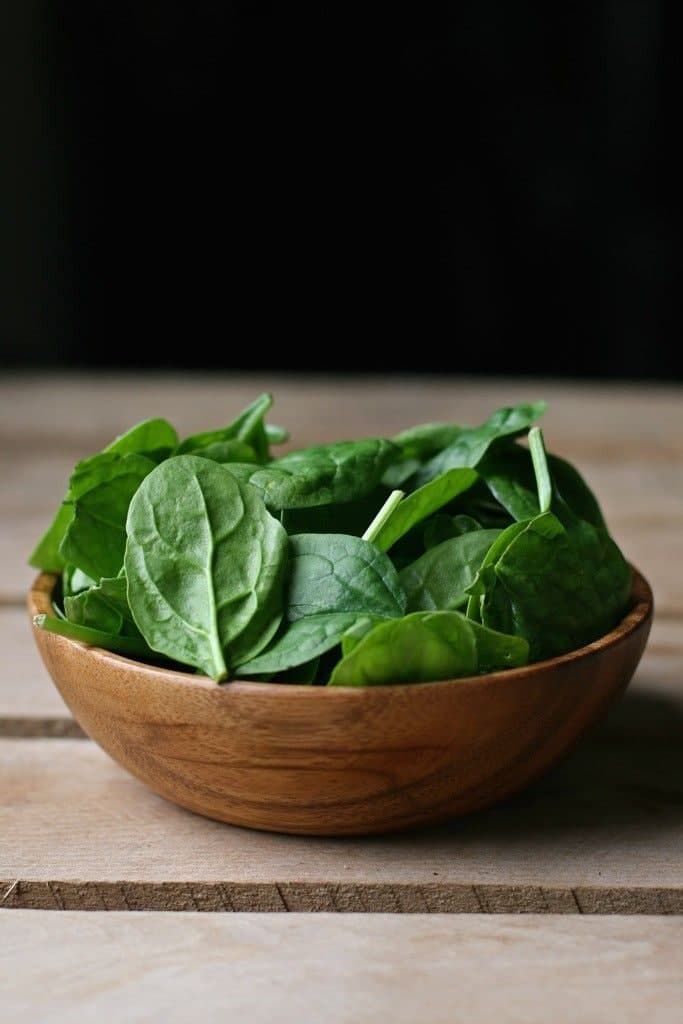
Spinach
Light requirement: Moderate
Duration of light exposure: 6–8 hours per day
Light intensity: 1,000–2,000 foot-candles
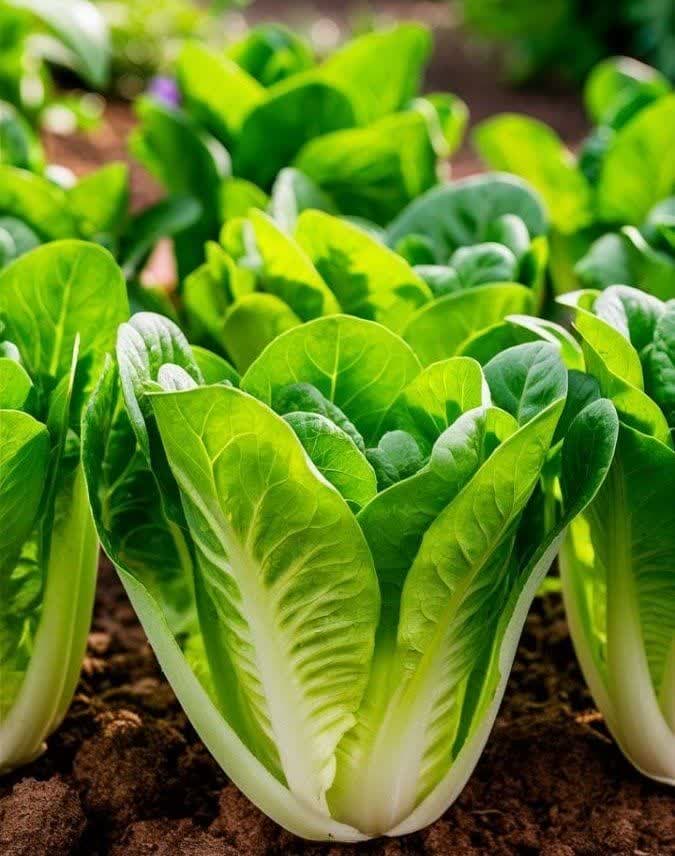
Lettuce
Light requirement: Moderate
Duration of light exposure: 6–8 hours per day
Light intensity: 1,000–2,000 foot-candles
Shade-loving plants
Shade-loving plants require little light and can grow even in low-light conditions. Some of these plants include:
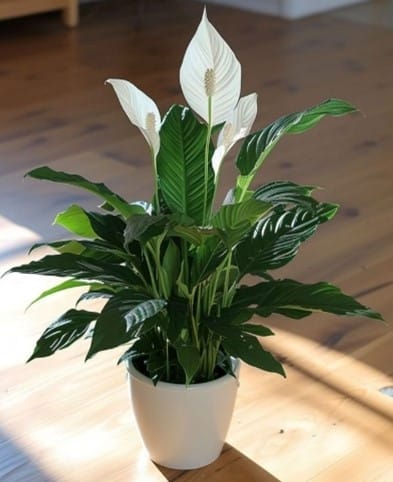
Peace Lily
Light requirement: Low
Duration of light exposure: 4–6 hours per day
Light intensity: 500–1000 foot-candles
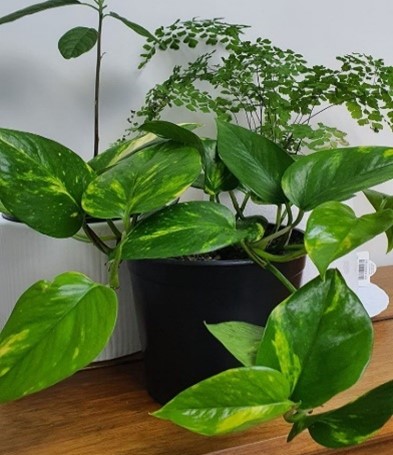
Pothos
Light requirement: Low
Duration of light exposure: 4–6 hours per day
Light intensity: 500–1000 foot-candles
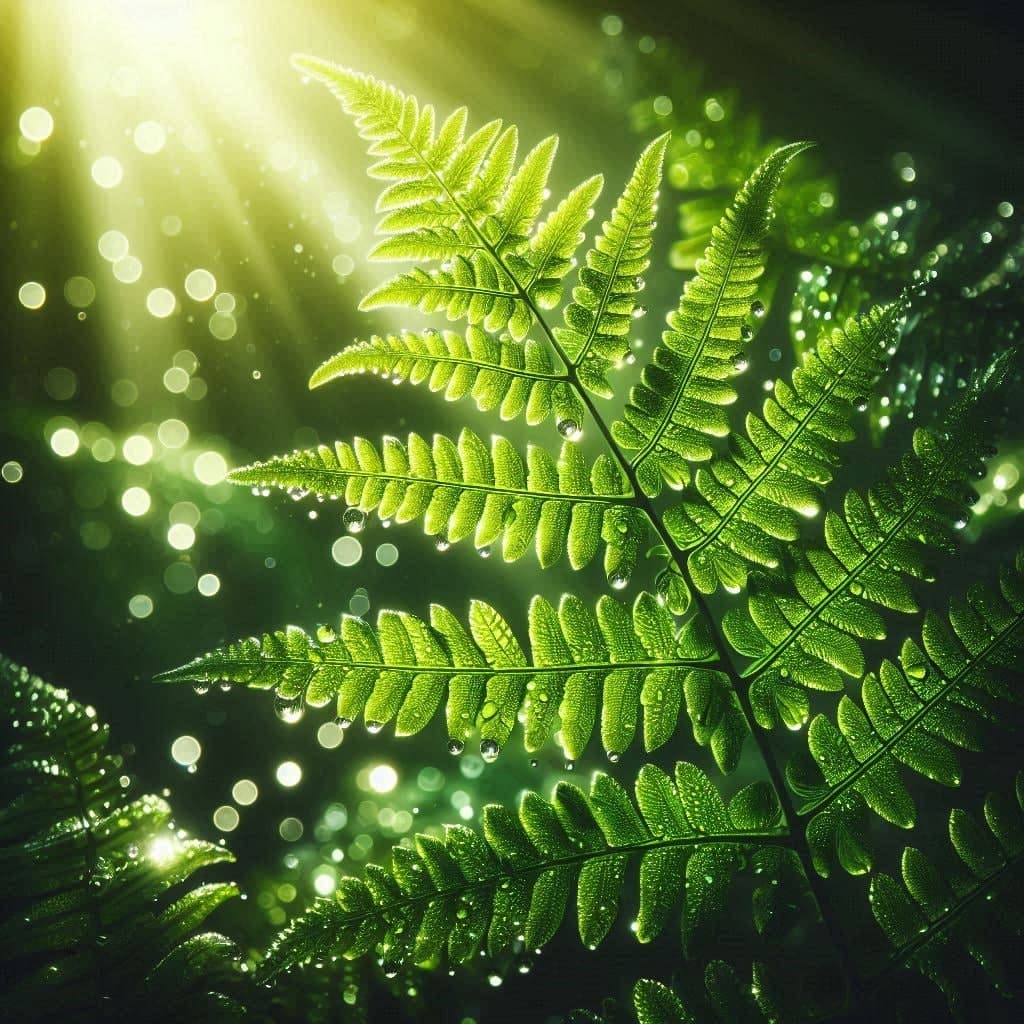
Fern
Light requirement: Low
Duration of exposure: 4–6 hours per day
Light intensity: 500–1000 foot-candles
Tropical and Subtropical Fruits
Tropical and subtropical fruits also have their own specific light requirements that must be taken into account:
Papaya
Light requirement: High
Duration of light exposure: 8–10 hours per day
Light intensity: 2,000–3,000 foot-candles
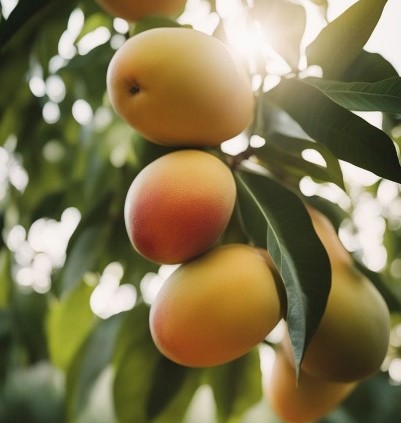
Mango
Light requirement: High
Duration of light exposure: 8–10 hours per day
Light intensity: 2,000–3,000 foot-candles
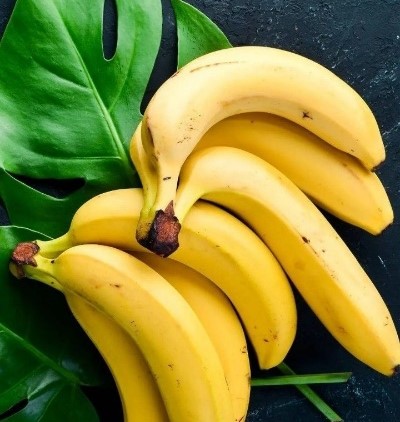
Banana
Light requirement: High
Duration of light exposure: 10–12 hours per day
Light intensity: 2000–3000 foot-candles
Ornamental Plants
Due to their great diversity, ornamental plants have varying light requirements:
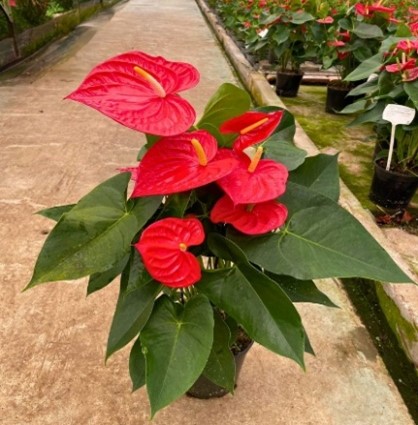
Anthurium
Light requirement: Low to medium
Duration of light exposure: 4–6 hours per day
Light intensity: 500–1000 foot-candles
Orchid
Light requirement: Moderate
Duration of light exposure: 6–8 hours per day
Light intensity: 1,000–2,000 foot-candles
Rose
Light requirement: High
Duration of exposure: 6–8 hours per day
Light intensity: 2000–3000 foot-candles
Using Modern Technologies for Lighting Management
By utilizing modern technologies—such as LED lamps and lighting control systems—it is possible to better manage the light requirements of plants. These technologies allow for the precise adjustment of light intensity and duration, helping plants grow under optimal lighting conditions.
LED Lamps: These lamps can produce light across various spectra, catering to the specific needs of different plants. They are also more energy-efficient and generate less heat.
Lighting Control Systems: These systems automatically adjust the intensity and duration of light based on the plants’ requirements, ensuring ideal lighting conditions throughout the day and across different seasons.
By gaining a precise understanding of plants’ light requirements and providing the appropriate environment, it is possible to enhance plant growth and produce high-quality yields.