


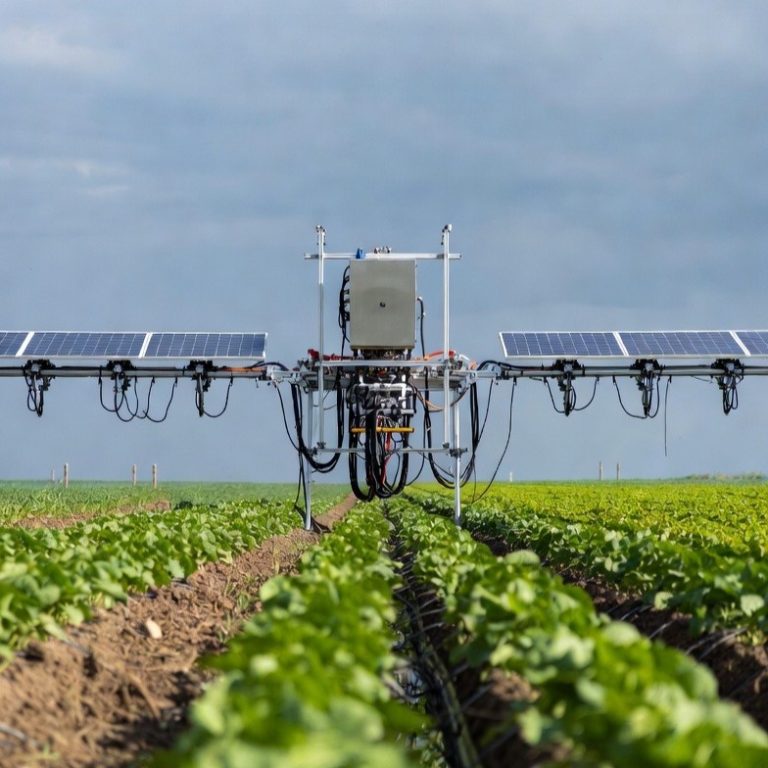
A few examples of the application of artificial intelligence in agriculture
1. Crop Assessment and Management
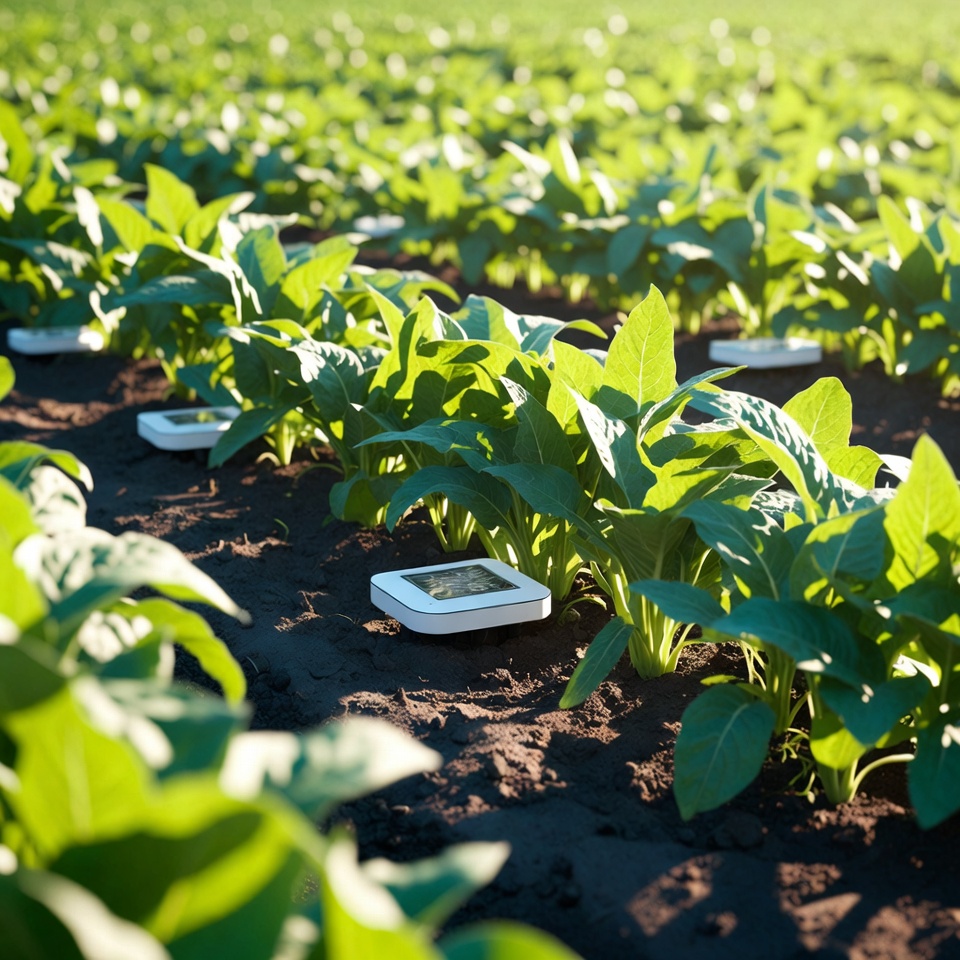
Farm Management and Monitoring: Smart systems utilize sensors placed in the soil to monitor moisture levels and nutrient content. These tools inform farmers of the optimal timing for irrigation or soil enrichment, ensuring that no resources are wasted.
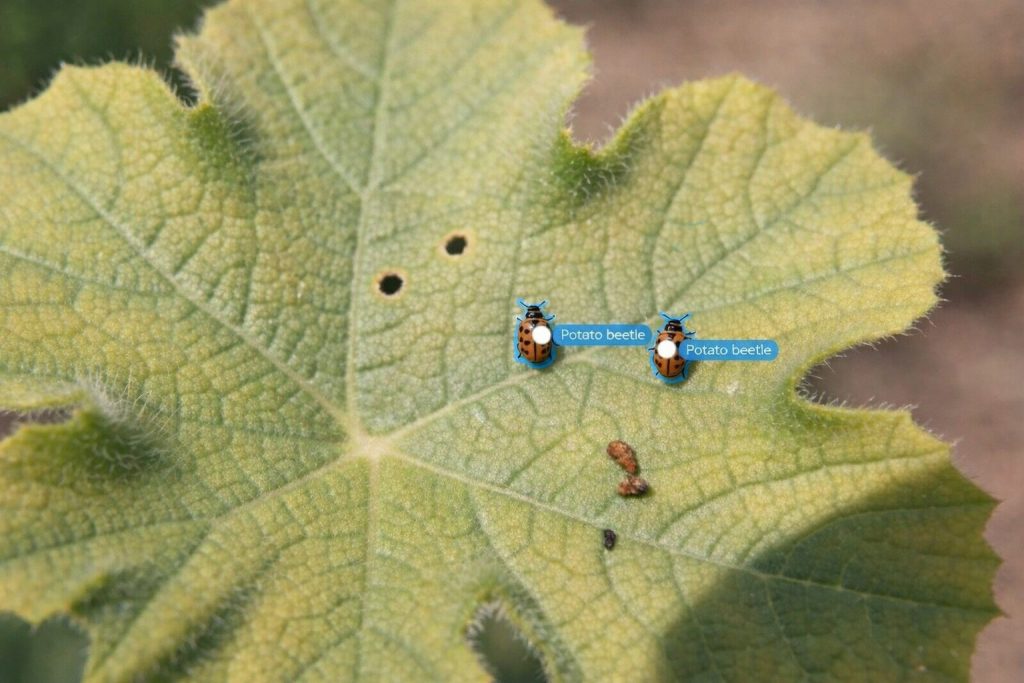
Pest and Disease Detection: Specialized cameras examine plant leaves and stems to identify even the slightest signs of disease or the presence of pests. This enables farmers to treat affected plants before an infestation or disease spreads across the entire field.
2. Agricultural Robots
Robots can automate tedious tasks such as sowing seeds, removing weeds, and applying pesticides. This not only reduces costs but also enhances the precision with which these tasks are performed.
3. Weather Forecasting
Accurate weather forecasting: Unlike general weather reports, these systems analyze the precise atmospheric conditions directly above your farm. Armed with this information, farmers can take necessary precautions before the onset of sudden rainfall or a heatwave.
4. Optimization of Resource Consumption
Water Usage Management: Based on soil moisture levels, the smart system applies exactly the amount of water the plant requires. This prevents water waste and reduces irrigation costs.
Fertilizer Usage Control: By analyzing soil conditions, artificial intelligence determines the precise amount of fertilizer needed. This is particularly important when using anti-salinity fertilizers; the system guides the farmer on exactly where to apply the fertilizer and at what concentration, ensuring optimal management of soil salinity.
5. Data Management and Decision-Making
Information Integration: Artificial intelligence aggregates all land-related data—ranging from aerial imagery to soil conditions—and presents it to the farmer in a simplified report, enabling them to make the best decisions for the future of their farms.
6. Crop Forecasting and Management
Production Based on Market Demand: These systems inform farmers about which crops will be in high demand in the coming months. Consequently, farmers can plant crops with the assurance that they will sell at a favorable price.
7. Planting and Harvesting
Predicting Harvest Time: By analyzing plant growth rates and weather conditions, artificial intelligence can pinpoint the exact day when produce reaches its optimal state for harvesting. This ensures that the quality of the produce remains at the highest possible level.
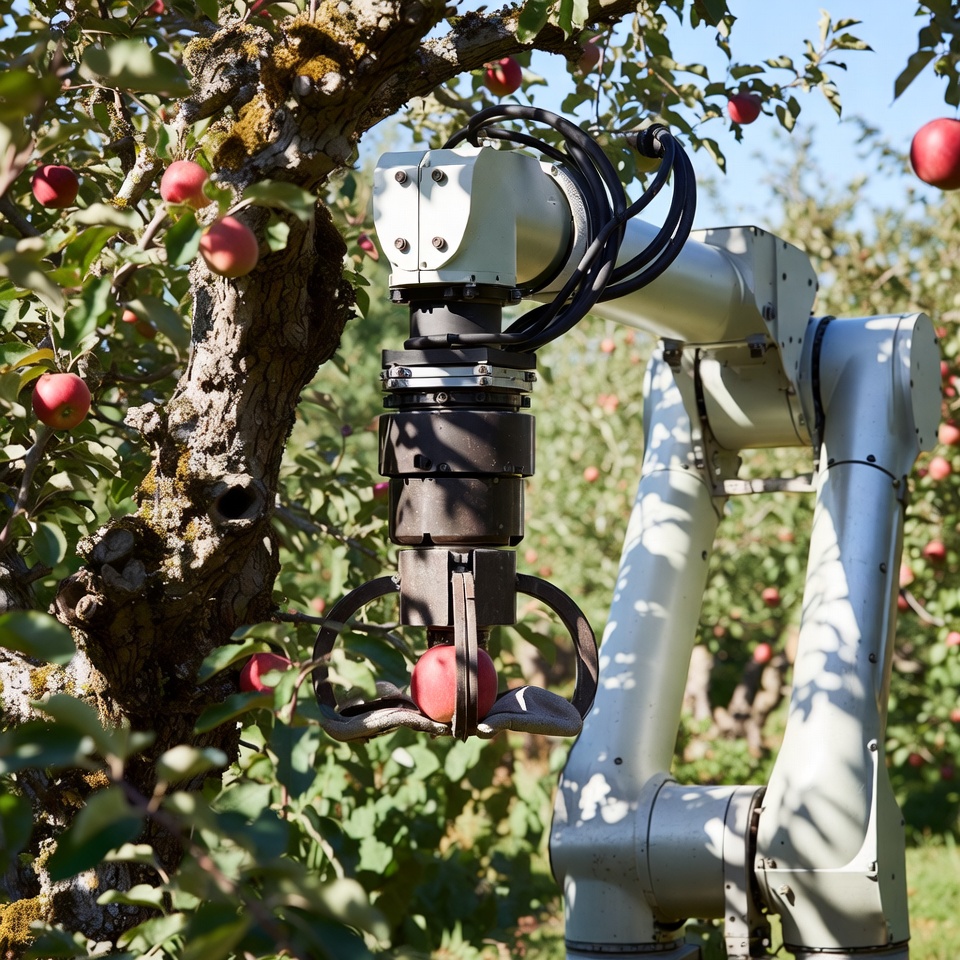
Harvesting Robots: Machines have now been developed that can identify ripe fruits and vegetables and harvest them automatically without causing any damage. This significantly accelerates the harvesting process.
8. Precision Agriculture
In this approach, rather than applying a one-size-fits-all solution to the entire field, each section is managed according to its specific needs. For instance, if only one part of the field requires nitrogen, the system applies fertilizer exclusively to that specific area.
9. Marketing and Price Forecasting
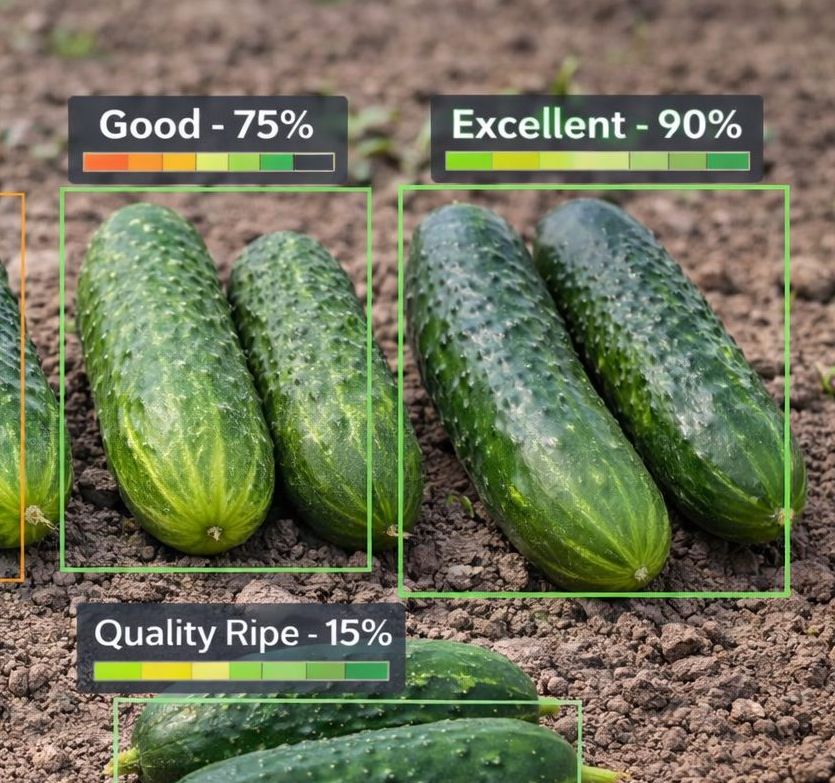
Artificial intelligence not only monitors market prices to identify the optimal time for sale, but also assists in determining quality grades and fair pricing by precisely analyzing the product’s physical characteristics and health. By eliminating guesswork, this technology enables farmers to bring their premium produce—grown under optimal conditions—to market at its true, higher value.
An Introduction to Types of Artificial Intelligence in the Modern World
1. Artificial Narrow Intelligence (ANI): Specialization in a specific domain (most current systems)
2. Artificial General Intelligence (AGI): Human-level intelligence across all domains (not yet achieved)
3. Artificial Superintelligence (ASI): Intelligence surpassing that of humans (a theoretical concept)
4. Generative AI: Creation of new content (text, images, code)
5. Explainable AI (XAI): The ability to provide justifications and transparency in decision-making
6. Multimodal AI: Simultaneous processing of text, audio, images, and video
The Future of Artificial Intelligence in Agriculture
Artificial intelligence has the potential to revolutionize agriculture; by boosting productivity, reducing costs, and enhancing produce quality, it helps farmers address mounting challenges. Through precise, automated tools, this technology fosters productivity and sustainability, enabling the sector to meet global demand. However, to fully harness its potential, it is essential to acknowledge the associated challenges and limitations and develop appropriate solutions, thereby ensuring a sustainable and successful future for agriculture.

No comments yet.