


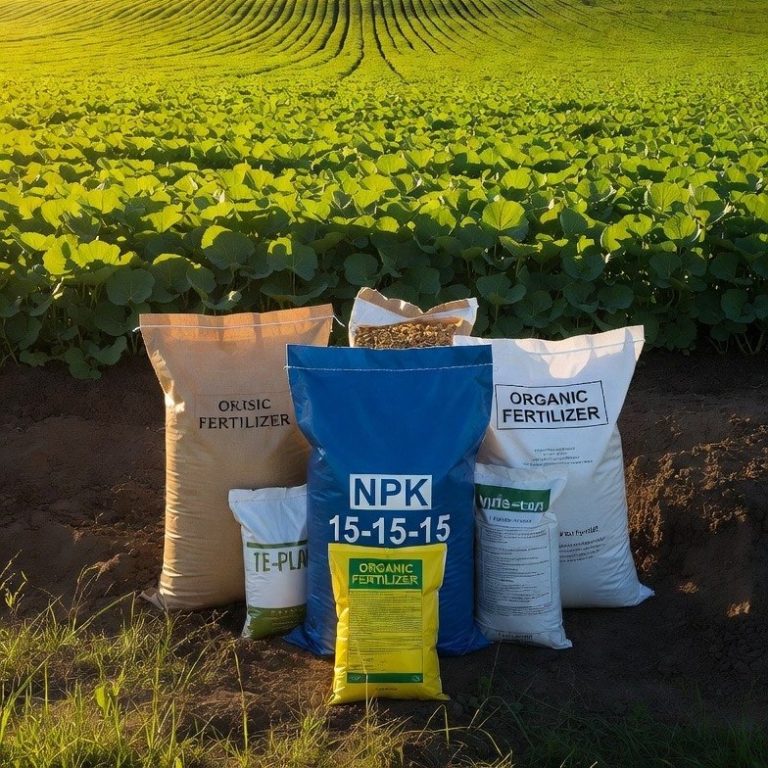
Fertilizers are defined as any mineral, organic, or biological substances that contain nutrients, enhance soil fertility, increase both the quantity and quality of crop yields, and improve plant health.
Fertilizers are categorized into two main types:
Natural fertilizers, which originate from nature, and chemical fertilizers, which are scientifically and precisely produced in laboratories.
1. Natural Fertilizers
Organic Fertilizer
Organic fertilizer is one of the best types of agricultural fertilizer. It forms naturally, with no additives included. It is rich in carbon, ensuring that plants receive an ample supply of the carbon they require. Organic fertilizers offer numerous benefits to plants, such as increasing soil microorganisms, acting as a soil amendment, and helping to retain soil moisture.
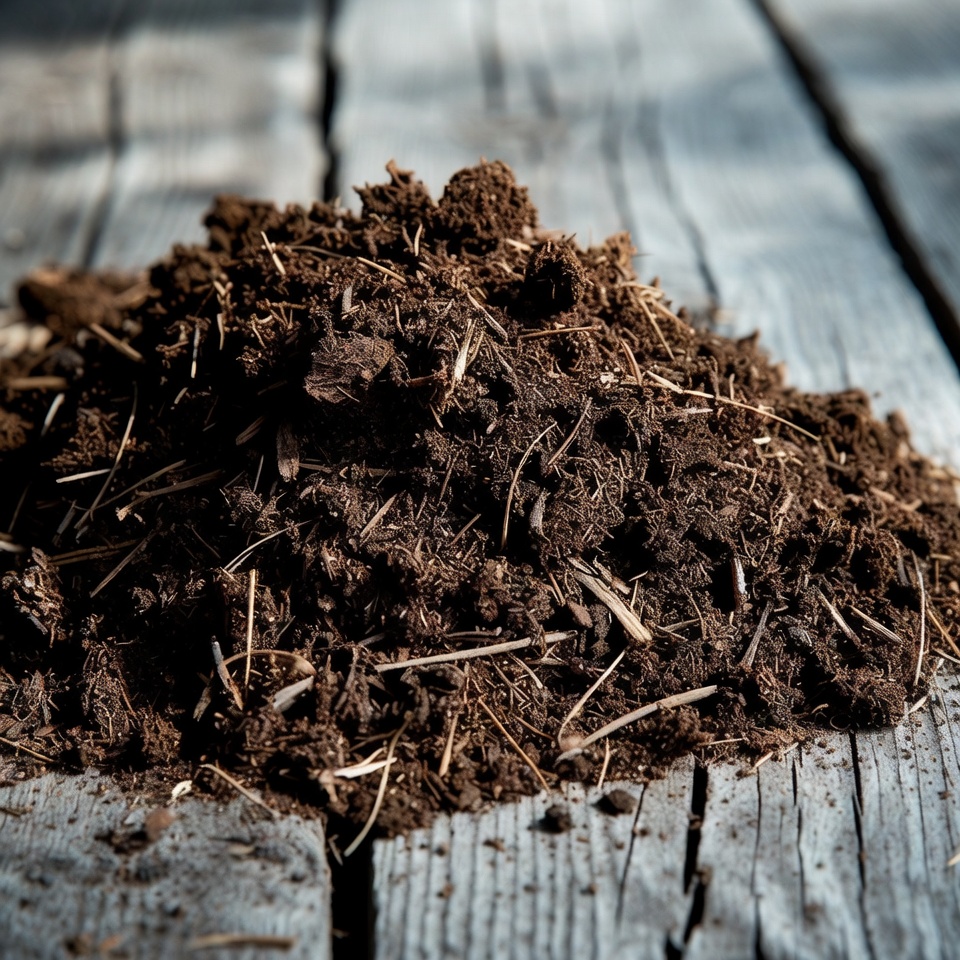
Types of organic fertilizer
Bio-fertilizers
Bio-fertilizers are the best type of fertilizers available on the market, as they can restore the soil’s microbial reserves. Plants require nitrogen to synthesize proteins; to obtain this nitrogen, they can utilize a specific type of bio-fertilizer known as a nitrogen fixer. Nitrogen-fixing bacteria are responsible for converting the nitrogen present in the soil’s organic compounds into a form that plants can readily use. In cases where the soil lacks organic matter, organic fertilizers are used alongside bio-fertilizers.
Animal Manure
Animal manure refers to the waste products and excreta of animals. Collected from livestock farms, it is utilized in agricultural fields. For instance, well-rotted cattle manure is used to nourish saffron plants. Other types—such as human, poultry, and sheep manure—also hold a distinct place among animal-derived fertilizers. In addition to supplying essential nutrients to plants, these fertilizers effectively amend the soil and increase its organic matter content.
Plant-based compost (or leaf mold) is a type of natural fertilizer composed of plant parts, such as leaves, and contains an adequate and appropriate amount of plant nutrients. This fertilizer can be used to nourish indoor plants; furthermore, when mixed with soil, it effectively enriches the soil.
Compost
Compost is produced through recycling processes. It is made using animal, plant, and even human waste, and serves as a high-quality fertilizer for gardens and agricultural fields.
2. Chemical Fertilizers
Chemical fertilizers represent one of the most significant categories of agricultural fertilizers. Compared to other types, they possess a much higher concentration of nutrients and offer a more rapid effect. They play a crucial role in supplying essential nutrients such as nitrogen, phosphorus, potassium, and others. Chemical fertilizers are classified into two categories: macronutrients and micronutrients. Both are vital for plants; they do not compete with one another, and both are necessary for the optimal health of plants and the soil, as they contain the essential components required for these systems.
Macronutrients
In the context of plant nutrition, macronutrients are further subdivided into primary and secondary groups, with plants consuming larger quantities of the primary macronutrients.
Complete Fertilizer (NPK)
Complete fertilizer is considered one of the most widely used types of fertilizer. It provides all the essential nutrients required by plants in a balanced and appropriate manner. Furthermore, it contains all three primary macronutrients—which is precisely why it is termed a “complete” fertilizer. This fertilizer plays a crucial role in enriching the soil and promoting the healthy growth of plants.
Potassium (K) Fertilizer
Potassium plays a role in regulating water balance and transporting stored substances within the plant; it also enhances the plant’s photosynthetic capacity and food production. Potassium strengthens cellular tissues and facilitates nitrogen uptake. By promoting root development and stimulating flowering and enzymatic activity, potassium increases a plant’s tolerance to drought and adverse environmental conditions. A potassium deficiency manifests as reduced resilience against drought, frost, fungal infections, and insect attacks, as well as leaf scorching and yellowing. Furthermore, it disrupts the balance of other essential nutrients, such as calcium and magnesium.
Phosphorus (P) Fertilizer
In plants, phosphorus promotes healthy root growth and flowering, playing a particularly significant role in the latter. It is also involved in the transfer and storage of energy. The presence of phosphorus improves a plant’s overall condition and enhances its ability to withstand adverse climatic conditions. Phosphorus deficiency manifests as stunted growth, delayed or sparse flowering, browning and wilting of leaves, thin and short branches, and a weak root system. It is important to note that the excessive use of phosphorus fertilizer can interfere with the uptake of other elements, such as zinc and iron.
Nitrogen (N) Fertilizer
Nitrogen is one of the most heavily consumed nutrients required by plants. It is essential for plant growth, as it plays a critical role in energy metabolism and protein synthesis (the creation of new proteins). Furthermore, it is vital for strengthening crops, increasing their weight, and facilitating the germination process. Nitrogen is also essential for photosynthesis and the formation of chlorophyll. Plants absorb nitrogen primarily in the form of nitrates, and it is predominantly utilized in the aerial parts of the plant (the visible portions). Nitrogen deficiency manifests as stunted growth, leaf drop, yellowing of the leaves, and a general weakening of the plant—symptoms that typically begin at the base of the plant.
Secondary macronutrients are also highly important and essential, even though plants require them in relatively small quantities.
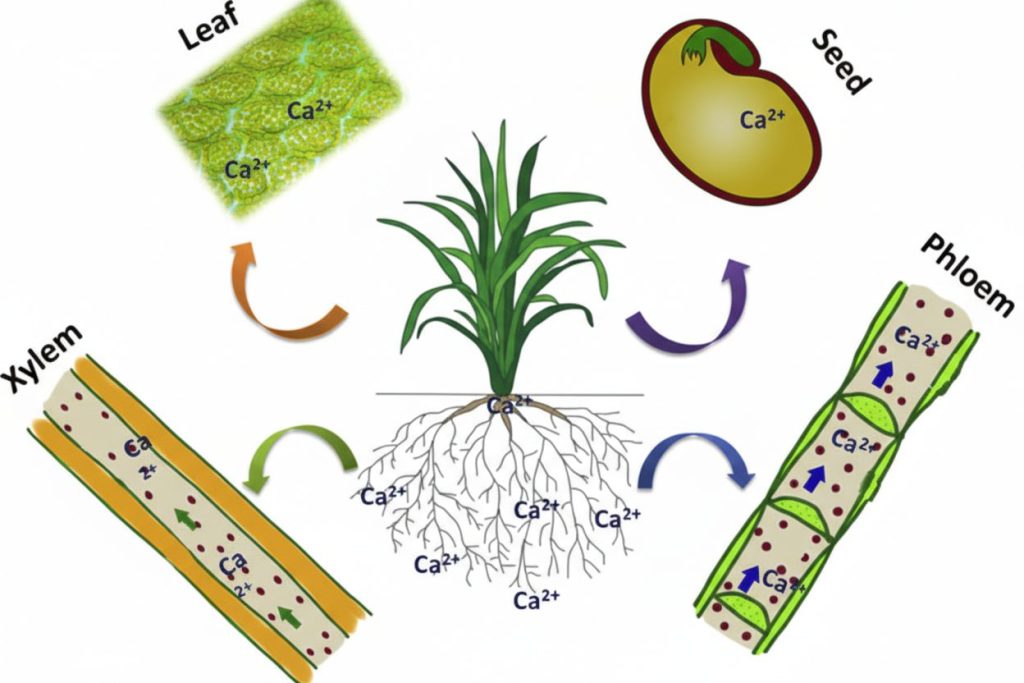
Calcium (Ca) Fertilizer
Calcium binds to plant tissue walls, strengthening them and aiding in the formation of cell walls. It assists in retaining minerals within the soil and facilitating their transport into the plant; furthermore, it neutralizes toxic substances present within the plant and plays a significant role in seed formation. Another benefit of this element is that it enhances and regulates various physiological processes within the plant. A calcium deficiency manifests as the appearance of yellow and brown spots on the leaves, along with an overall reduction in the plant’s growth rate.
Sulfur (S) Fertilizer
Sulfur participates in the formation of chlorophyll and is essential for photosynthesis, protein synthesis (the creation of new proteins), and the development of plant tissue. Sulfur deficiency occurs rarely; however, when it does, it manifests as a lightening of the plant’s color (pale green).
Magnesium (Mg) Fertilizer
Magnesium forms the core of the chlorophyll molecule and is vital for plant photosynthesis. It enhances the transport and uptake of phosphorus and aids in the storage of sugars within the plant. Furthermore, magnesium acts as an enzyme activator; in fact, it activates a greater number of enzymes than any other nutrient present in the plant. Magnesium deficiency manifests as weakened stems, the loss of green color in leaves, and the appearance of yellow and brown spots. These changes typically begin on the lower leaves.
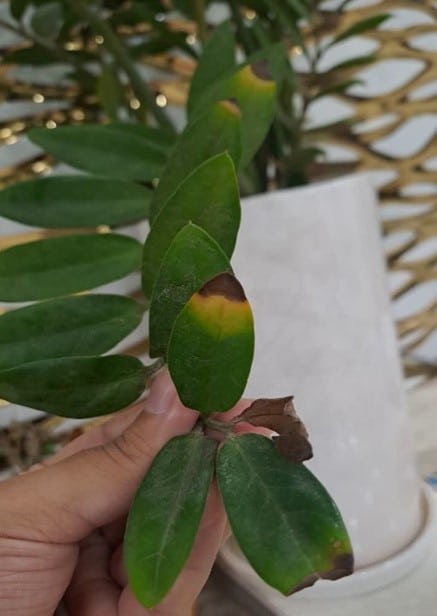
› Micronutrients are required by plants in small quantities; however, even these small amounts are essential for various metabolic processes within the plant.
› It is worth noting that the uptake of either an excessive or an insufficient amount of micronutrients by a plant affects its ability to absorb macronutrients.
Copper (Cu) Fertilizer
Copper is one of the most vital elements for plants; it is essential for plant respiration and facilitates the process of converting nutrients into energy. Copper contributes to a strong plant immune system, resistance against diseases, and various metabolic processes. Copper deficiency manifests as yellowing leaves, stunted or abnormal growth, and the development of brittle leaves.
Iron (Fe) Fertilizer
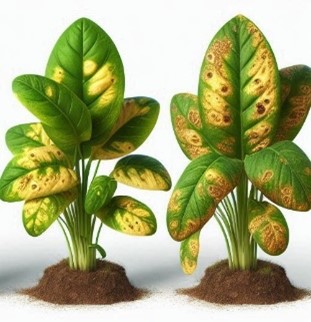
Iron is essential for photosynthesis and the formation of chlorophyll. It also plays a role in respiration, the transport of oxygen within the plant, the conversion of nitrogen into a form usable by the plant, and the regulation of biological processes. Iron deficiency manifests as a loss of color, wilting, and yellowing of the leaves, while the veins remain green. These changes begin in the younger leaves.
Manganese (Mn) Fertilizer
Manganese functions as an enzyme activator, facilitates oxygen production during photosynthesis, and stimulates seed germination. A deficiency in manganese often leads to a nitrogen deficiency, as macronutrients and micronutrients are interconnected.
Zinc (Zn) Fertilizer
Zinc is essential for achieving high crop yields. It plays a role in photosynthesis, the formation of plant growth regulators, various plant growth processes, and the activation of necessary enzymes. Zinc deficiency manifests as shortened leaves, a reduction in leaf formation, and stunted growth. These changes begin in the younger leaves.
Boron (B) Fertilizer
Boron plays a crucial role in the formation of proper plant cell walls, the development of strong membranes, and reproductive growth. It is also essential for the production of plant hormones and the transport of sugars within the plant. Boron prevents premature crop development and protects against root death. Boron deficiency is often associated with moisture stress and manifests as stunted crop growth, decay, and the yellowing of leaves.

No comments yet.