


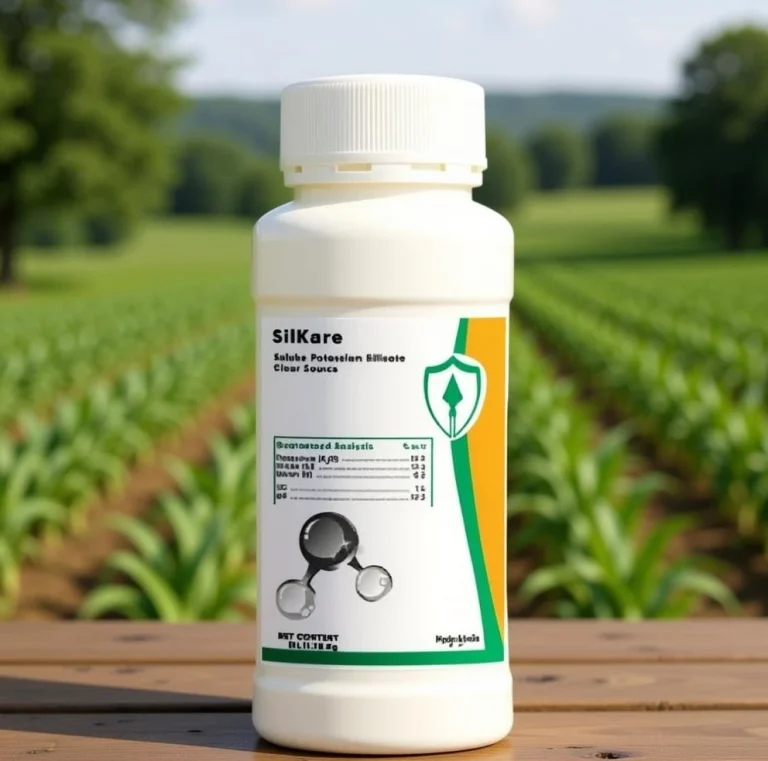
Potassium silicate fertilizer, with the chemical formula K₂SiO₃, is a mineral nutritional supplement.
This fertilizer serves as a vital source of potassium and silicon for plants; both elements play significant roles in strengthening plant structure and enhancing performance.
Proper application of this fertilizer can improve overall plant health and increase agricultural yields, while also enhancing photosynthesis and raising the Brix level in plants.
(Brix refers to the concentration of sugars, vitamins, proteins, amino acids, and other water-soluble solids present in plants.)
This compound is typically available as a powder or an aqueous solution and is easily absorbed by plants.
1. Increasing Plant Resistance to Environmental Stresses:
Potassium silicate creates an armor-like layer within the outer cell walls, primarily due to the presence of the element silicon.
Silicon is often an overlooked element, yet it offers numerous benefits to plants, including the strengthening of cell walls.
A study published in the journal *Annals of Botany*, titled “The Role of Silicon in Plant Biology,” indicates that silicon can be effective in mitigating various types of biotic and abiotic stresses in plants.
The accumulation of silicon within plant cell walls enhances their strength and rigidity. This structural reinforcement helps plants develop greater resistance to mechanical and physical pressures, such as strong winds and heavy rain.
2. Improved Absorption of Other Nutrients:
Potassium silicate aids in the absorption of other key nutrients, such as phosphorus and potassium, thereby facilitating better plant growth and development.
As an essential nutrient, potassium plays a vital role in strengthening plant structure, supporting cellular activities, and enhancing physiological processes.
In general, potassium increases the size and sugar content of fruits and vegetables, while also improving their flavor and color. It slows down the aging process, reduces the incidence of various physiological disorders in crops, enhances structural integrity, and strengthens the skin of fruits.
3. Increasing Plant Resistance to Diseases and Pests:
One of the most important functions of potassium silicate is the strengthening of plant cell walls. This substance makes plant cell walls tougher and more resilient, acting as a physical barrier against the penetration of insects and pathogens.
To enter a plant and cause damage, insects and microbes must breach the cell walls; by reinforcing these walls, this substance makes it significantly more difficult for pathogens and insects to gain entry.
(Pathogens: Soil-borne pathogens are microorganisms that reside in the soil and can cause diseases in plants. These pathogens include bacteria, fungi, nematodes, viruses, and certain protozoa. They can negatively impact plant health and growth, ultimately leading to a reduction in agricultural crop yields.)


4. Increasing Crop Yield:
The use of potassium silicate improves pollination and enhances pollen fertility, leading to higher agricultural yields.
The impact of potassium silicate on pollination and pollen fertility is as follows:
» Improvement of Plant Cellular Structure
By enhancing the plant’s cellular structure and increasing its structural integrity, potassium silicate creates better conditions for the growth and development of flowers and pollen. This contributes to increased pollen fertility and a more effective pollination process.
» Enhanced Absorption of Water and Nutrients
Potassium silicate facilitates the uptake of water and nutrients by the plant, which in turn boosts production and strengthens both flowers and pollen.
» Strengthening of Pollen Cell Walls
By reinforcing the cell walls of pollen grains, potassium silicate increases their resistance to adverse environmental conditions. This enhances the survival and efficacy of the pollen during the pollination process.
How to Use Potassium Silicate:
» Please consider the following recommendations:
Application Rate:
The application rate of potassium silicate varies depending on the plant species and environmental conditions. Generally, lower concentrations (e.g., 0.1–0.5%) are recommended for plants.
Timing of Foliar Application:
The best time for foliar application is early morning or evening to prevent rapid evaporation.
Frequency of Application:
Foliar application is typically performed every 2–4 weeks, though this may vary based on specific conditions. Potassium silicate is typically used in an aqueous solution and can be applied either as a foliar spray or to the soil via irrigation systems. The application rate and method depend on the specific plant type and environmental conditions; therefore, it should be carried out in accordance with the recommendations of agricultural experts.
Improper or excessive use of potassium silicate may cause cellular damage to plants. Furthermore, highly concentrated solutions can lead to leaf burn. Consequently, always pay close attention to the recommended dosage and usage instructions.
**Using Other Chemical Substances and Compounds with Potassium Silicate**
When managed correctly, mixing other fertilizers or pesticides with potassium silicate can enhance crop yield and improve the quality of agricultural produce. These substances may include:
» **Plant Protection Agents and Pesticides**
Various agents that can help plants develop resistance against environmental stressors and diseases.
» **Micronutrients**
Such as iron, manganese, zinc, and molybdenum, which improve nutrient uptake and enhance the physiological processes within plants.
» **Fertilizer Supplements**
Including nitrogen, phosphorus, and potassium (NPK) fertilizers; these provide essential nutrition to plants and help boost their yield.
» **Growth Stimulants**
Such as humic acid, fulvic acid, cytokinins, and gibberellins, which promote plant growth and the development of the root system. » Soil-Amending Minerals
Substances such as magnesium sulfate or calcium carbonate can help improve soil structure and the uptake of nutrients (applied via the irrigation system).
Generally, these compounds contribute to enhanced yield and quality in agricultural crops. For more precise information and to select the appropriate materials, consult with agricultural specialists or plant nutrition advisors—ideally by conducting a small-scale “jar test.”
