


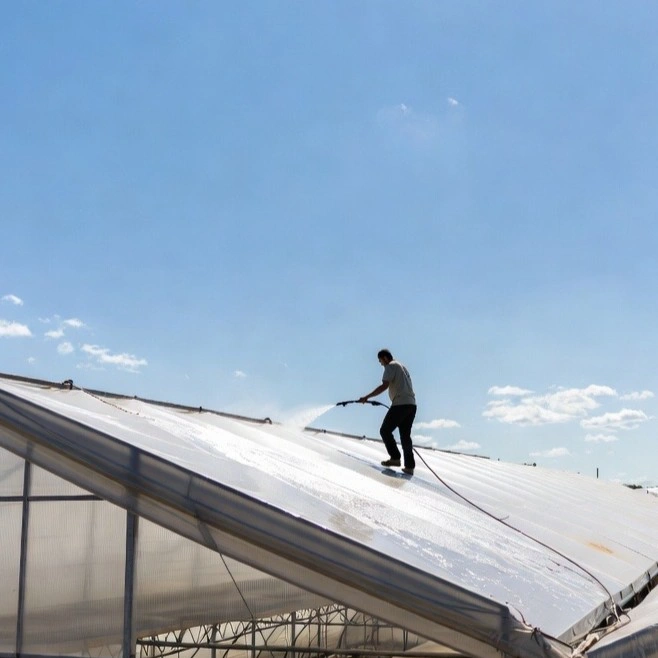
How can crops be protected against light-induced damage?
Shading covers are designed to improve the climate conditions inside a greenhouse and optimize the use of sunlight. This approach involves a combination of light and temperature control, ensuring the best possible growing conditions for plants while preventing the development of unfavorable environments.
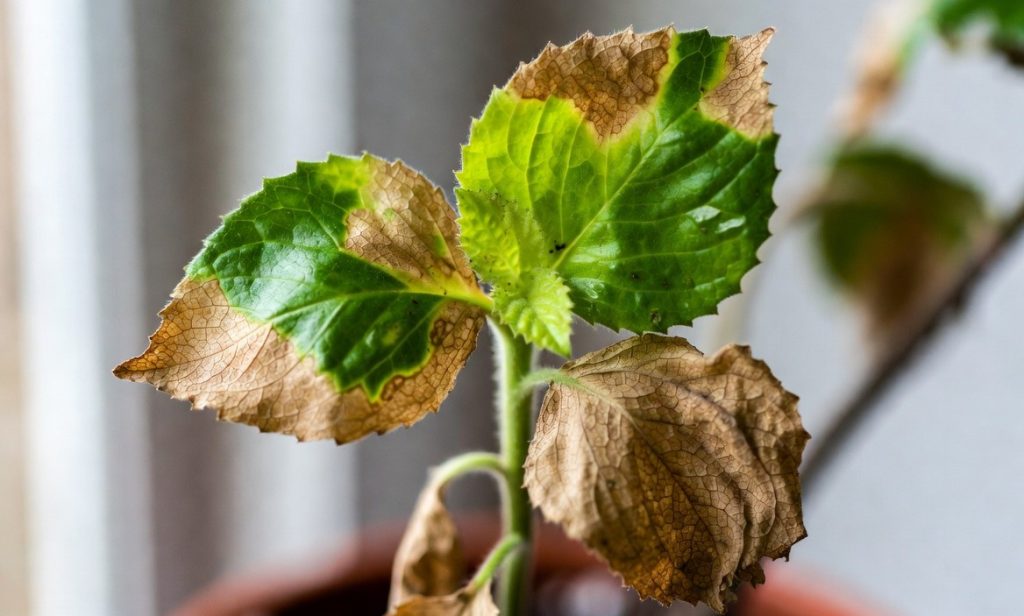
Problems Caused by High Temperatures in a Greenhouse
Reduced Plant Growth and Yield
High temperatures can diminish plant growth and affect yield. Many plants exhibit reduced growth at temperatures above their optimal range, and some may even experience a complete cessation of growth.
Plant Wilting
Rising temperatures inside a greenhouse can lead to plant wilting, as plants lose more water through increased transpiration; if sufficient water is not provided, they experience water stress.
Leaf Sunscald
High temperatures and direct sunlight can cause sunscald on leaves. This issue leads to the appearance of scorched, brown spots on the foliage, which diminishes the quality of the plant. In crops such as bell peppers, it reduces the extent of damage caused by sunscald.
Increased Transpiration and Water Demand
High temperatures lead to increased transpiration in plants, creating a need for more frequent irrigation. If irrigation is not timely and sufficient, plants may experience water stress.
Reduced Product Quality
Fruits and vegetables produced at high temperatures may be of lower quality. This includes changes to the flavor, texture, and appearance of the produce.
Disruption of Photosynthesis
High temperatures can impair the process of photosynthesis. The enzymes responsible for photosynthesis lose their efficiency at high temperatures, which leads to a reduction in the production of energy and nutrients required by the plant.
Why Use Greenhouse Shading Powder?
» Greenhouse Temperature Control
Among the five primary factors influencing plant growth, temperature is of critical importance for successful cultivation. Greenhouses are primarily designed to retain heat during colder seasons. However, during warmer seasons, the heat that accumulates inside the greenhouse can cause heat stress in plants, potentially leading to a decline in both crop yield and quality. This issue becomes particularly significant in hot climates and during the summer, when temperatures rise sharply.

Increasing Energy Efficiency
Optimizing Sunlight Usage:
Through appropriate shading, the amount of sunlight reaching the plants can be optimized. This can reduce the need for artificial cooling and heating systems, thereby lowering energy consumption.
Reducing Energy Costs:
Decreasing the reliance on electrical equipment—such as fans and air conditioning systems—can help save on energy costs.
Greenhouse Light Management
Different plants have varying light requirements. Excessive sunlight can cause greenhouse temperatures to rise, subjecting plants to stress and potential damage—much like how the failure of heating systems in winter can lead to cold-related damage, excessive heat in the summer can cause heat stress. Conversely, insufficient sunlight can stunt plant growth and reduce yields. This is why providing shade for a greenhouse is crucial. By implementing shading, you can regulate sunlight exposure, as shading materials help distribute light more evenly throughout the greenhouse.
Water Conservation
Reducing Water Evaporation:
Lowering the temperature and reducing water evaporation from the surfaces of plants and soil decreases the need for frequent irrigation. This helps conserve water and preserve water resources.
Retaining Soil Moisture:
Providing shade helps retain soil moisture and prevents the soil from drying out quickly.
Reducing Heat Stress
Protecting Plants from High Temperatures:
Providing shade can lower high temperatures and prevent heat stress. This helps sustain plant growth, increase yields, and prevent plant mortality.
Creating a Cooler Environment:
Providing shade helps lower the temperature in the environment surrounding the plants, which contributes to maintaining plant health and improving overall performance.
Protecting Sensitive Plants
Plants that are sensitive to intense light or high temperatures require extra protection, which can be provided through shading. This helps maintain the health and quality of these plants by allowing beneficial sunlight—essential for plant growth—to pass through, while blocking harmful radiation.
Flexibility
Shading covers can be used temporarily during specific times of the year when shade is required, and then easily removed. This facilitates better management of the plants’ growing conditions.
Ease of Removal
Shading covers are typically designed for easy removal, requiring no special chemicals or complex procedures. This helps reduce costs and improves efficiency in the management of a farm or garden.
Improving Product Quality
Some plants are sensitive to direct sunlight; direct exposure can cause scorching of leaves and fruits.
Enhancing the Flavor and Color of Produce:
Controlling light levels and temperature can help improve the flavor and color of agricultural produce.
Promoting Plant Growth
Providing Optimal Growth Conditions:
In some cases, shading facilitates better plant growth—particularly for species that require lower light levels—ultimately leading to increased production and higher yields.
Reducing Competition for Light:
Shading can help mitigate competition for light among plants, creating more favorable conditions for their growth.
What types of coatings are available?
Liquid Paints and Coatings
White paints for greenhouses:
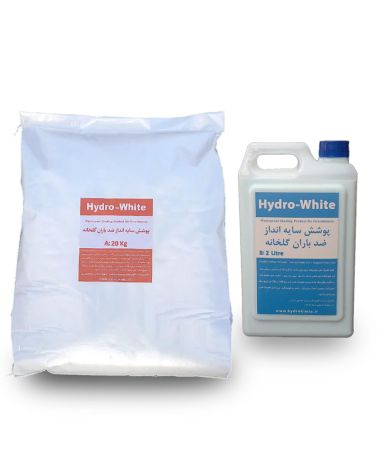
These paints are applied to the roof and walls of a greenhouse and can be washed off at the end of the season. For instance, the company Hydrokimia produces a weather-resistant product for this purpose called “HydroWhite.”
Blue paints for greenhouses:
This is a lightweight, temporary shading coating designed for greenhouse plastic and roofs. Once applied to the roof, it protects the plants inside from solar radiation and heat. Hydrokimia produces weather-resistant coatings, including a product called “BlueFix.”
Anti-UV (Ultraviolet) compounds:
In addition to reducing light intensity, these compounds protect plants from harmful UV rays.
Shade fabrics
Polyethylene
Polyester
Fiberglass
Shading Nets
Plastic or Metal
Woven Nets
پوششهای پلیکربنات
پلیکربنات شفاف با پوشش(UV)
Plastic nylon covers with UV-resistant properties
Natural Shading Coverings
Sun-protection netting
Woven polyethylene
Comparing the Pros and Cons of Shade Netting vs. Greenhouse Whitewash (Chalk/Calcium Carbonate Powder):
– What raw materials are shade netting and greenhouse whitewash powder made from?
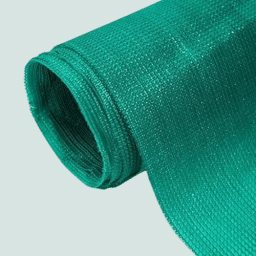
Shade netting is a type of mesh woven from various materials, such as polyethylene or polypropylene, and is available in different shading percentages. Greenhouse whitewash powder, on the other hand, consists of calcium carbonate obtained by grinding marble. (While the crystalline structure of the calcium carbonate in marble differs from other forms of calcite, it is chemically identical. The structure of marble ore allows it to be ground into a very fine mesh. Depending on the impurities or other elements present in the ore, the stone can exhibit various colors.)
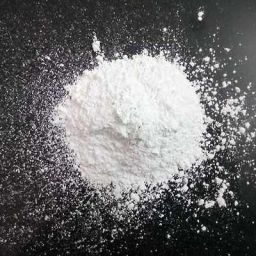
How do they perform in terms of light diffusion?
Chalk-based powders provide homogeneous and uniform shading, whereas shade netting acts like a sieve—either allowing light to pass through completely or blocking it entirely. This type of transmission merely reduces the total amount of light passing through without providing any uniform diffusion. Powder-based coatings, by contrast, diffuse the light, ensuring it reaches the lower parts and leaves of the plants. Shade netting is typically dark in color and lacks reflective properties; instead, it absorbs most of the light, which causes the surface of the netting to heat up. Powder-based shading agents, due to their white color, reflect a portion of infrared light. Furthermore, shade netting can restrict airflow, which, under certain conditions, may lead to increased humidity and reduced natural ventilation.
Which shading method is more cost-effective?
The total short-term and long-term costs of shade netting are higher than those of powder-based shading (such as greenhouse whitewash/chalk). Shading with a rain-resistant powder requires washing off at the end of the season, whereas shade netting does not. (Note, however, that shade nets may become dirty over time and require periodic cleaning, which can be time-consuming.)
The choice between these two methods depends on environmental conditions, budget, and specific agricultural requirements.
Which is easier to install and maintain?
Applying “Mel” powder (whitewash/shading compound) is easier and more practical than installing shading netting. Shading netting requires specific tools—such as wire cutters and specialized clips—making the installation process potentially complex for some users. Furthermore, it is more susceptible to physical damage. In contrast, applying Mel powder is straightforward; it generally involves preparing the surface and applying the compound—a task that can be performed by anyone with minimal training. Maintenance is also simpler, as any damaged areas can be easily repaired. Consequently, due to its ease of installation and maintenance, Mel powder is a superior choice compared to shading netting. It is also fully compatible with all types of spraying equipment and does not interfere with their operation.
On which surfaces can these coatings be applied?
These coatings can be applied to a wide range of different surfaces. Below, further details are provided regarding these surfaces and the types of coatings suitable for them:
Types of glass:
Architectural glass, automotive glass, decorative glass.
Types of fabric:
Cotton, polyester, nylon, velvet, etc.
Types of surfaces:
Concrete, natural stones (marble, granite), artificial stones.
Types of plastics (including PVC):
Polyethylene, polypropylene, polycarbonate, etc.
Types of wood:
Hardwoods and softwoods, plywood, MDF, etc.
Types of metals:
Steel, aluminum, copper, brass, titanium, nickel, etc.
Not only does it not damage greenhouse coverings and structures—such as nylon, plastic, and metals—but it also extends their lifespan by providing protection against the sun. Furthermore, if necessary, it can be easily cleaned using a brush and high-pressure water.
What is the application rate for greenhouse shading powder (whitewash)?
The required amount of shading powder can vary depending on the desired level of shading, the type of greenhouse structure, and the angle and intensity of sunlight. Typically, a light coat is applied at the start of the warm season, followed by a second coat in early spring.
Greenhouse structures—such as gable (peaked), tunnel, circular (arch), and Gothic styles—vary in width and height. For a standard circular-arch greenhouse, 20 kilograms of shading powder can provide a shading level of approximately 50% to 60% per 1,000 square meters.
The application rate can be adjusted based on shading requirements: a lower dosage results in less shade, while a higher dosage increases the level of shading.

When should greenhouse shading powder (whitewash) be applied?
Depending on the specific climatic region—taking into account factors such as sunlight exposure and greenhouse temperature—the application of shading powder can generally be carried out from mid-February through late June. However, application at other times is also possible, depending on specific conditions and requirements. The product is resistant to being washed off by rain and remains on the surface for an extended period.

Application Methods for Shading:
These coatings can be easily applied using two different methods:
Manual Application: Suitable for smaller greenhouses and agricultural projects that do not utilize complex mechanical equipment.
Mechanical Application: For larger greenhouses and industrial agricultural systems, these coatings can be applied mechanically, which helps save both time and costs.

Shading chalk powder—the primary component of the HydroWhite and BlueFix coatings—offers an effective and economical solution for reducing light intensity and temperature in various environments. When applied correctly, this product helps create better conditions for plant growth and maintains the quality of indoor environments. Due to its numerous advantages, it has become a popular choice among farmers and greenhouse owners.
